28-Day Lean Meal Plan: With the Right Strategy and Discipline, You Can Achieve a Shredded Physique in 28 Days
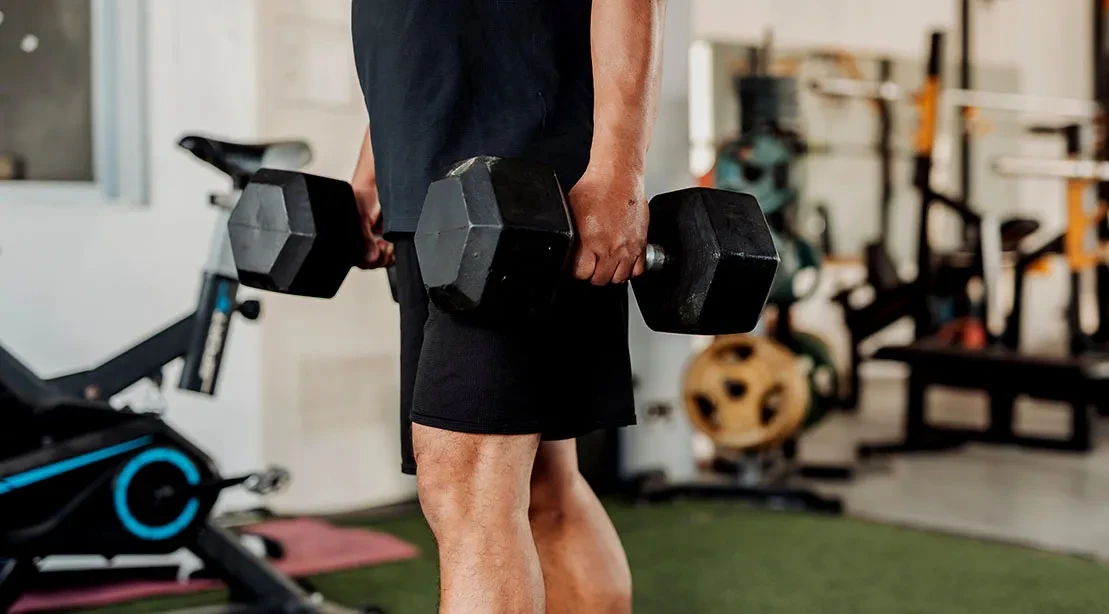
Loaded carries rank among the most straightforward yet challenging strength-building modalities. The protocol is uncomplicated—grasp a heavy implement, ambulate, and repeat—but the physiological demand is comprehensive. Loaded carries train the entire body to brace, stabilize, and locomote effectively under external resistance.
Beyond raw strength, loaded carries cultivate remarkable mental and physical toughness. They develop a more robust core, enhance shoulder stability, strengthen the trapezius muscles, and challenge cardiovascular endurance. Whether using dumbbells, kettlebells, or sandbags, carries foster functional resilience that translates to improved movement quality and performance across athletic and daily tasks.
10 Essential Loaded Carry Variations
Below, I highlight 10 of the most effective loaded carry variations—ranging from the Trap Bar Carry and Front-Racked Kettlebell Carry to innovative movements like the Chaos Suitcase Carry and Figure-8 Carry—catering to diverse training setups. For those seeking stronger lifts, improved posture, and unyielding conditioning, integrating loaded carries is non-negotiable.
Loaded carries excel in variety; with countless iterations, monotony is virtually impossible (though fatigue is inevitable). To curate this list, I evaluated five key criteria. If you’re prepared to embrace discomfort in pursuit of strength, this guide is for you.
1. Trap Bar Carry
The Trap Bar Carry positions the load at the sides, slightly posterior to the center of gravity, aligning resistance with the body’s midline. This biomechanical advantage enables heavier loading, promotes an upright torso, and minimizes lumbar stress. Given its capacity for heavy loads, the Trap Bar Carry is a potent total-body strength builder—particularly for the trapezius, forearms, and core.
Note: The trap bar is exceptionally grip-intensive.
Cues: Maintain a “proud chest,” brace the core, and avoid vertical oscillation during ambulation.
Sets & Reps: For strength: 3 sets of 30–50 yards; for conditioning: 2–3 sets of 60–80 yards.
2. Front-Racked Kettlebell Carry
The Front-Racked Kettlebell Carry places the load on the anterior deltoids, requiring significantly greater anterior core activation than the traditional Farmer’s Carry. It challenges the upper back, obliques, and glutes to resist forward trunk collapse, mirroring the core demands of front squats and power cleans while enhancing shoulder and thoracic spine alignment.
Cues: Avoid posterior leaning or rib flaring; focus on drawing the ribs toward the hips during ambulation.
Sets & Reps: For strength: 3 sets of 40 feet; for conditioning: 3 sets of 60 feet.
3. Bottoms-Up Kettlebell Waiter’s Carry
The Bottoms-Up Kettlebell Waiter’s Carry involves holding the kettlebell in an inverted (server) position. The inherent instability compels the grip, forearms, and shoulder stabilizers to work maximally. This variation develops exceptional shoulder stability, grip endurance, and core rigidity while activating deep stabilizers such as the rotator cuff and serratus anterior.
Cues: Align the wrist, elbow, and kettlebell horn in a straight line; maintain a neutral rib position, engage the glutes, and avoid posterior leaning.
Sets & Reps: 3–4 sets of 20–30 feet per side.
4. Barbell Overhead Carry
The Barbell Overhead Carry introduces a technical demand to training. Unlike the Farmer’s Carry (which targets grip and lateral stability), this variation tests shoulder endurance, spinal alignment, and total-body coordination under sustained tension. To maintain control, the shoulders, core, and hips must remain stacked, while the grip, latissimus dorsi, and upper back stabilize the barbell overhead. It is a true full-body exercise, strengthening tissues from the hands to the heels.
Cues: Keep elbows fully extended, maintain a neutral rib position, draw biceps toward the ears, engage the glutes, brace the core, and take small, intentional steps.
Sets & Reps: 3–4 sets of 20–40 feet, performed early in the workout.
5. Chaos Suitcase Carry
The Chaos Suitcase Carry introduces instability by suspending a kettlebell via a resistance band. During ambulation, the load oscillates, compelling the core, grip, and stabilizers to work beyond the demands of standard carries. This variation trains the core to resist extraneous motion, activates deep stabilizers, enhances proprioception, and strengthens the obliques.
Setup: Loop a resistance band through the kettlebell horn.
Cues: Maintain an upright torso, keep shoulders level, and take small, controlled steps.
Sets & Reps: 3 sets of 20–40 feet per side.
6. Plate Pinch Carry
The Plate Pinch Carry targets grip strength by requiring the lifter to squeeze and hold smooth, flat plates (or a single plate) using the fingers and thumb. This unique grip demand develops crushing grip strength, finger dexterity, and forearm endurance—all critical for movements like deadlifts, pull-ups, and general strength performance.
Setup: Use two smooth metal plates (10–25 lbs) or a single plate.
Cues: Pinch firmly with the thumb and fingertips, maintain retracted shoulders, and brace the core.
Sets & Reps: 3 sets of 20–40 feet for grip endurance.
7. Zercher Carry
The Zercher Carry involves placing the barbell in the crook of the elbows, shifting the center of gravity anteriorly. This forces the core, upper back, and arms to stabilize the load and prevent trunk flexion. It strengthens the entire anterior chain (quads, core), upper back, and improves posture. The forward pull of the bar compels the spinal erectors, obliques, and lats to work maximally to maintain alignment.
Cues: Keep the bar tight to the midsection, maintain an upright posture, engage the lats, and take short, controlled steps. A towel or pad can reduce elbow discomfort.
Sets & Reps: 3–4 sets of 30–40 feet. (Note: This variation is particularly demanding—prepare accordingly.)
8. Bear Hug Sandbag Carry
The Bear Hug Sandbag Carry uses a soft, irregularly shaped load (no handles) that must be pressed firmly against the torso to maintain grip. The forward pull of the weight challenges the arms, chest, and core to sustain tension. The sandbag’s shifting mass activates the forearms, biceps, chest, and lats, while the lower body works to stabilize the load.
Cues: Press the sandbag against the torso, tuck the elbows, maintain an upright chest, brace the core, and take short, controlled steps.
Pro Tip: For beginners, start with a lighter sandbag and prioritize form before increasing load.
Sets & Reps: 3–4 sets of 40–60 feet.
9. Marching-in-Place Suitcase Carry
The Marching-in-Place Suitcase Carry is ideal for compact spaces (e.g., home gyms). It replicates the suitcase carry pattern but adds marching to increase balance demands. It provides the benefits of the standard suitcase carry while activating the hip flexors and improving coordination, ankle stability, and balance.
Setup: Hold a dumbbell or kettlebell in one hand at the side (firm grip).
Cues: Maintain an upright posture, brace the core, slowly raise one knee to hip height (thigh parallel to the ground), pause briefly, lower, and repeat on the opposite leg.
Sets & Reps: 3 sets of 25 marches per side.
10. Figure-8 Carry
The Figure-8 Carry integrates movement and rotation into the carry pattern. By ambulating in a figure-8 path, the body must stabilize through curves and directional changes. This rotational demand builds athletic coordination and multiplanar control, making it ideal for small spaces (e.g., home/garage gyms). The Figure-8 Carry strengthens the obliques, hips, and spinal stabilizers—all of which must coordinate to manage momentum.
Cues: Walk a tight figure-8 pattern; maintain an upright posture through each curve; take short, intentional steps.
Sets & Reps: 3–4 sets of 2–3 figure-8 laps (adjust based on available space).
Loaded carries are a versatile, results-driven addition to any strength or conditioning program. By incorporating these 10 variations, you’ll build functional strength, enhance stability, and develop the mental toughness required to excel in both training and daily life. Embrace the discomfort—your body will thank you.
Loaded Carries: How to Build Core Strength and Athletic Power
Share this article: